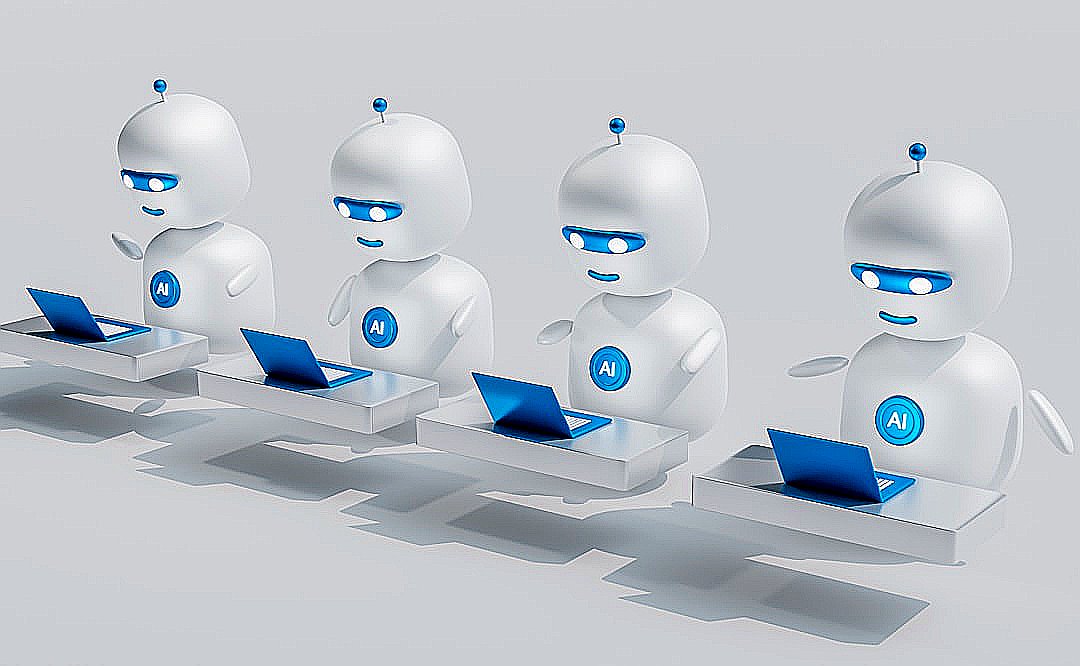
For the last couple of years, we've treated AI agents like high-powered personal assistants—isolated tools that live in a single chat window. But the reality of professional work isn't a solo act; it's a team sport. Enter QM, the "multiplayer agent harness" that Y Combinator just open-sourced. Instead of a single bot, QM is a framework designed to let AI live across an entire organization.
From Personal Assistant to Company Infrastructure
Most agentic tools struggle to scale because they lack a cohesive way to handle permissions, memory, and collaboration across different departments. QM solves this by providing a "harness" that integrates natively with Slack and the web.
What makes it unique is its scoped architecture. Every employee gets their own isolated workspace—complete with their own memory, files, keychain, and durable sandbox—while still being able to collaborate with agents in shared channels and group projects. YC isn't just pitching this as a theory; they've been using it to run their own accounting, legal, and events teams.

The Ultimate Dogfooding Success Story
In the world of software, "dogfooding" (using your own product) is common, but YC took it to the extreme: they used QM to help build QM itself. By releasing it under an MIT license, they are providing a reference architecture for how startups can transition from simple LLM wrappers to complex, multi-agent workflows.
By giving agents a persistent presence in the tools teams already use, QM shifts the AI paradigm from "ask and receive" to a collaborative environment where agents act as functional members of the workforce.
The Future of the AI Office
As we move toward 2026, the focus is shifting from the raw power of models to the orchestration of agents. QM suggests a future where your "teammates" are a mix of humans and scoped AI agents, all sharing the same digital office space without compromising security or context.
Sources
Media