When Raspberry Pi dropped the RP2350, it wasn't just an upgrade over the RP2040—it was a security leap. With a new Secure Boot implementation and hardened defenses, the chip looked like a fortress. But in the world of hardware hacking, every fortress has a crack. Enter the world of Laser Fault Injection (LFI), where a well-timed beam of light can turn a 'no' into a 'yes.'
The Art of the Glitch
Traditionally, LFI is the playground of well-funded labs with $250k setups. However, researcher Courk proved that you don't need a corporate budget to break a chip. By building a custom, budget-oriented LFI platform, Courk demonstrated that it's possible to bypass Secure Boot on the RP2350. The goal? Inducing a 'fault'—a momentary flip of a bit in the chip's memory—at the exact microsecond the processor checks a security signature.
From Photon Emission to Debug Mode
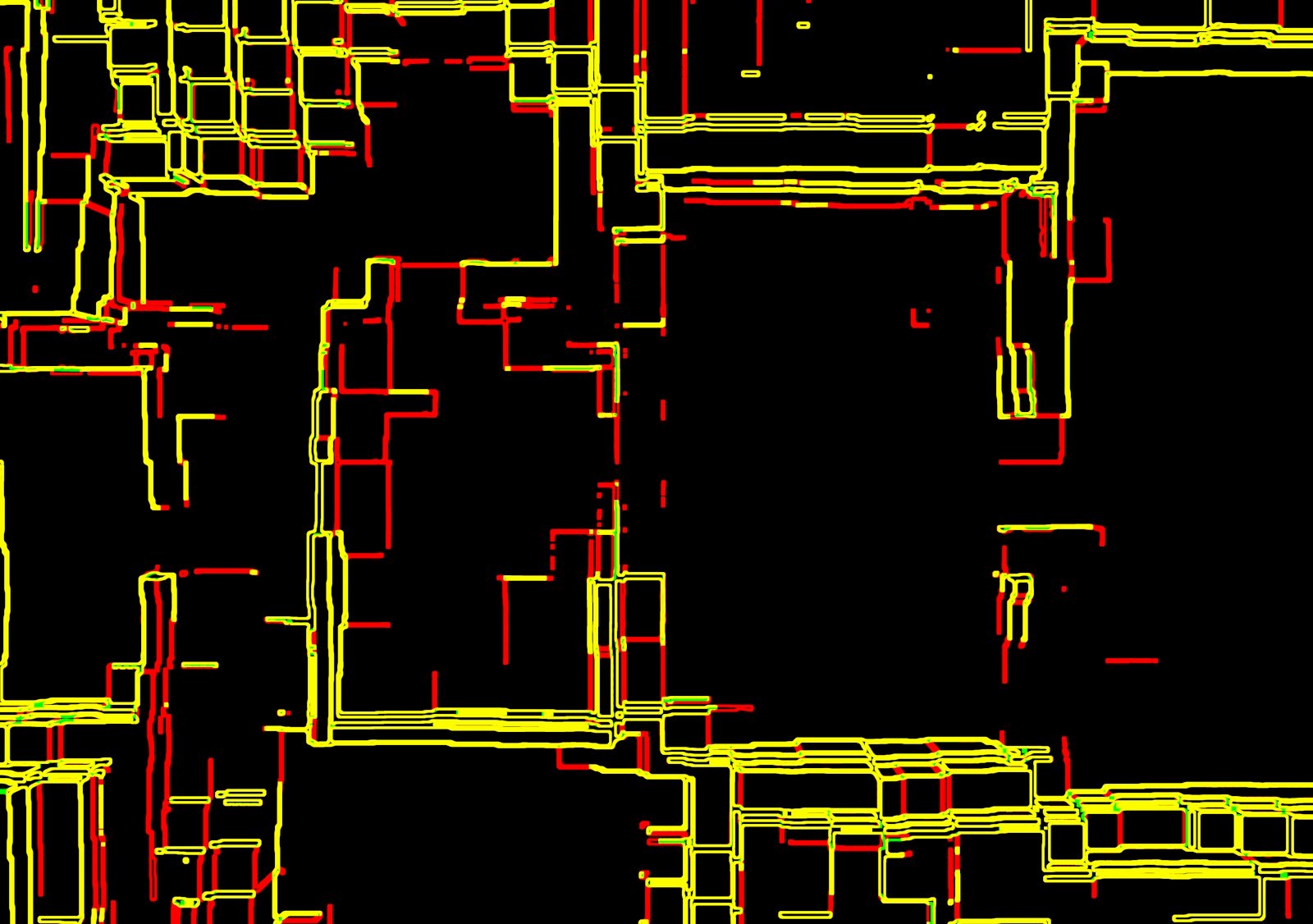
While budget rigs are impressive, the high-end research takes it further. Some analysts used photon-emission microscopy to literally see the chip working, locating the exact activity of the debug enable registers. By targeting these specific areas, they were able to bypass permanent debug locks, restoring secure debug access to the RP2350 A4. Whether using a DIY laser or a lab-grade system, the result is the same: the hardware's internal logic is tricked into granting access.
The Cat-and-Mouse Game
This research highlights a critical reality for developers: software security is only as strong as the hardware it runs on. While the RP2350 is a massive step forward, these LFI attacks show that physical access remains the ultimate vulnerability. As budget-friendly hacking tools become more accessible, the battle between silicon hardening and creative glitching is only getting more intense.
Sources
Media