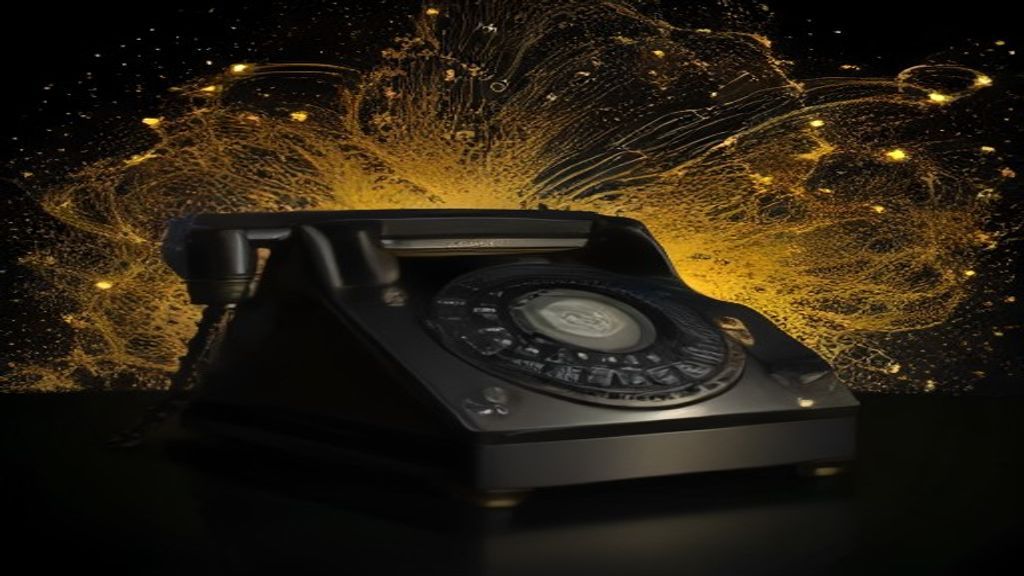
Imagine the tactile satisfaction of a heavy plastic dial spinning back into place, the visceral ring of a mechanical bell, and the weight of a handset built to last a century. Now, imagine using that same hardware to make a crystal-clear call over a modern LTE network. Welcome to RotaryCell, a brilliant piece of hardware hacking that bridges the gap between the analog golden age and the digital era.
No Modifications, Just Magic
What makes RotaryCell truly impressive is its commitment to preservation. Unlike many 'retro' projects that gut the original device to fit a smartphone inside, RotaryCell keeps the vintage telephone completely unmodified. It interfaces with the original handset, rotary dial, switch-hook, and even the mechanical ringer using existing jacks.
At the heart of this operation is the ESP32-S3. This dual-core powerhouse handles the heavy lifting, translating the old-school pulse dialing of a rotary wheel into digital signals that a cellular modem can understand. It's a seamless translation layer that allows a device from 1957 to communicate with a 21st-century cell tower.
A Portable Time Machine
While traditional rotary phones were anchored to a wall, RotaryCell transforms them into self-contained, battery-powered portable devices. By integrating an LTE module and a power source, the project essentially creates a 'cellular rotary phone'—a device that feels like it belongs in an alternate timeline where the smartphone revolution happened via pulse dialing.
For makers, this project highlights the versatility of the ESP32-S3, showing how a low-cost microcontroller can breathe new life into legacy hardware without destroying its historical integrity.
Sources
Media