We've all been there: staring at a slow-loading webpage, watching an image crawl down the screen line by line. It's a digital relic of the early web. But as we've optimized our internet, we've created a new kind of curiosity. While the industry pushed for 'Progressive JPEGs' to make things feel faster, a subculture of glitch artists and tech enthusiasts is looking at the process in reverse. Enter the concept of the 'Regressive JPEG.'
The Magic of the Progressive Load
To understand the 'regressive' trend, we first have to look at the tech. A standard baseline JPEG loads top-to-bottom. A Progressive JPEG, however, is decoded in multiple passes. It starts as a low-resolution, fuzzy blur and gradually sharpens as more data arrives. It's a UX trick designed to give users an immediate impression of the content, reducing perceived wait times on slow connections.
From Optimization to Aesthetic
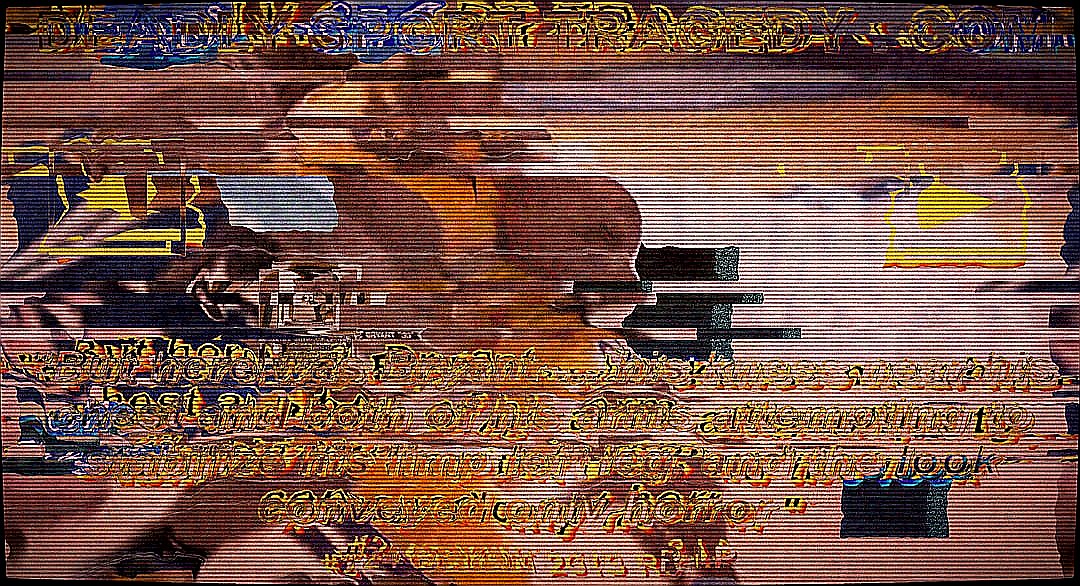
While developers use tools like GraphicsMagick or specific save-settings to ensure images load smoothly, the 'regressive' curiosity flips this utility on its head. Instead of seeking the final, crisp image, glitch art explores the beauty of the intermediate states. By intentionally interrupting the data stream or manipulating the coefficients that govern that 'zig-zag' encoding order, artists can freeze an image in its most distorted, ethereal phase.
It transforms a technical convenience—the 'fuzzy' preview—into a deliberate aesthetic choice. It's a rebellion against the seamless, high-definition world we now inhabit, finding art in the struggle of a file trying to assemble itself.
The Future of Digital Decay
As we move toward next-gen formats and instant 5G speeds, the visible 'load' is disappearing. But as the technical glitch vanishes, the artistic desire to simulate that degradation grows. The regressive JPEG isn't about performance; it's about nostalgia for the friction of the early web.
Sources
Media