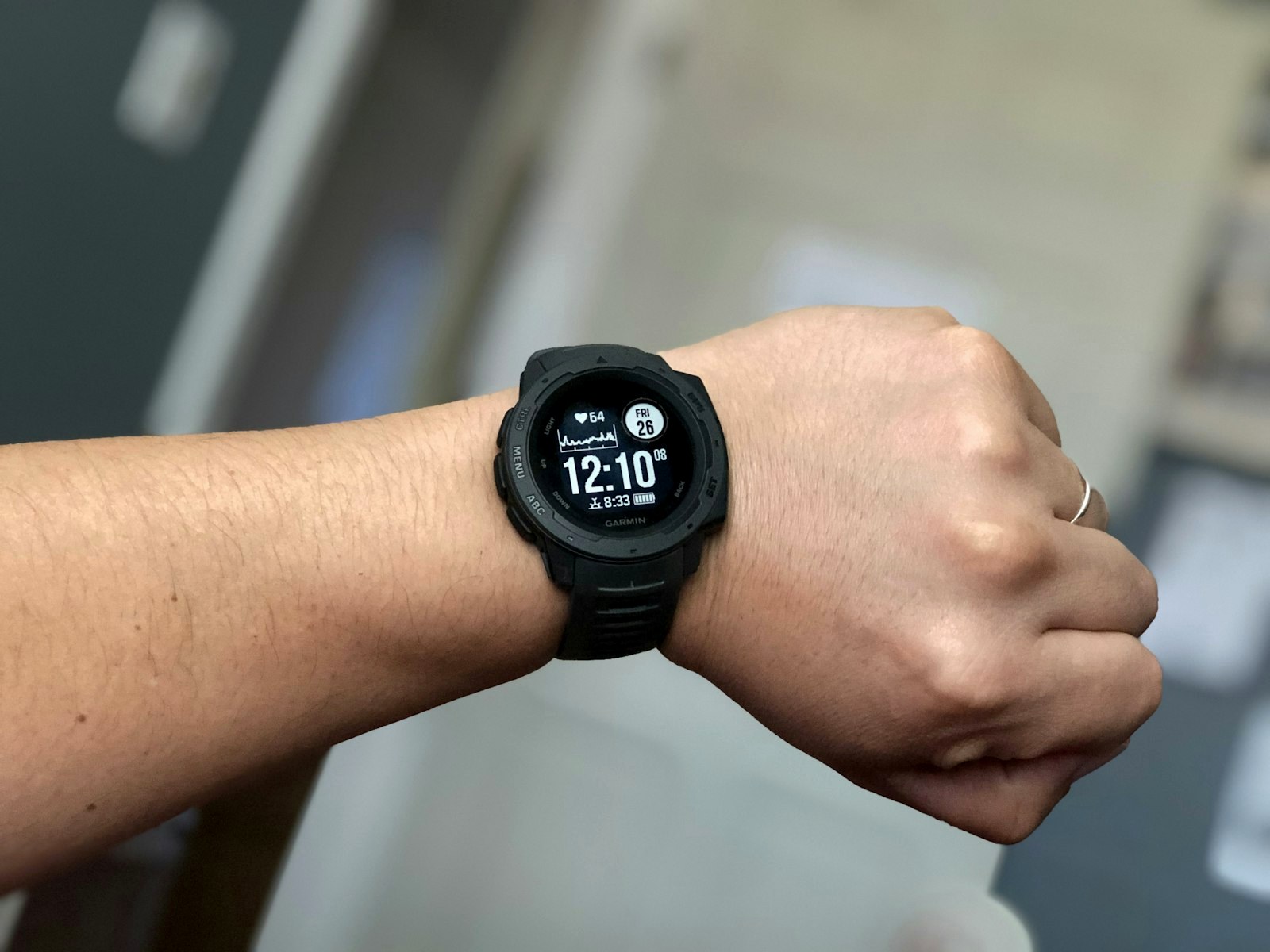
For years, our fitness trackers have been great at collecting data but mediocre at explaining it. We have endless charts of HRV, sleep stages, and VO2 max, yet we still find ourselves Googling "why is my resting heart rate high today?" That is all changing thanks to the Model Context Protocol (MCP), a new standard that allows AI agents like Claude to plug directly into your hardware data.
From Raw Data to Real Conversations
Until recently, getting your Garmin data into an AI required manual CSV exports or clunky third-party bridges. Now, a wave of community-driven MCP servers—from projects like garmin_mcp and garmin-connect-mcp—are turning Garmin Connect into a live database for LLMs.
Instead of squinting at a graph, you can now ask your AI, "Based on my sleep and stress levels from the last three days, should I push for a PR today or take a recovery walk?" The AI doesn't just guess; it reads your actual health metrics in real-time to provide a personalized answer.
Natural Language Training Plans
It isn't just about reading data; it's about writing it. New implementations are allowing users to create complex workouts using natural language. You can tell your AI, "Create a 10-minute warmup, 5x1km threshold intervals with 2-minute rests, and a 10-minute cooldown," and the MCP server syncs that workout directly to your Garmin device.
While some developers are hosting these servers for ease of use, others are prioritizing privacy with local, read-only subprocesses that keep your sensitive health data off the cloud.
The Future of the "AI Coach"
This trend signals a shift toward a standardized AI-to-device interface. Once the "plumbing" is standardized via MCP, we aren't just looking at fitness trackers—we're looking at a future where your entire hardware ecosystem speaks the same language as your AI assistant.
Sources
Media