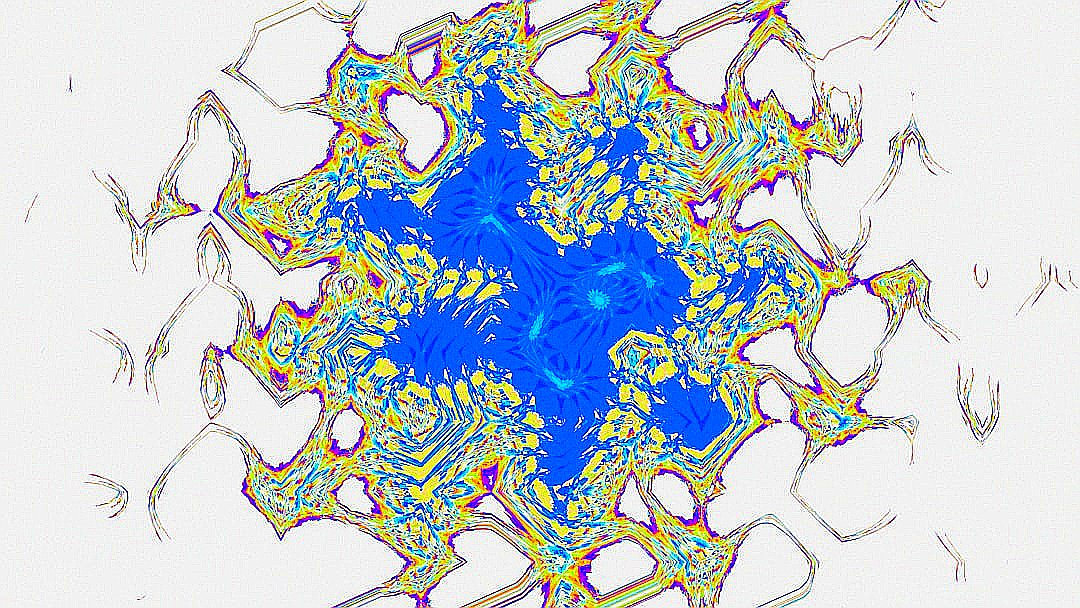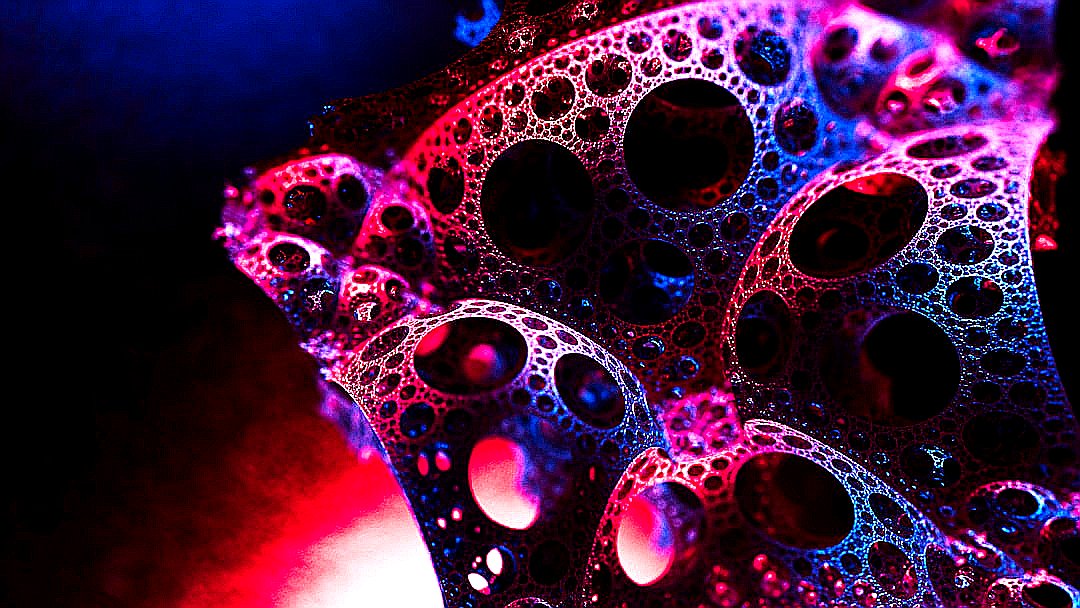
If you've ever looked at the cracked mud of a dry lakebed or the cellular structure of a leaf, you've seen a Voronoi partition in the wild. In the digital world, these geometric structures are the secret sauce behind everything from city mapping to game physics. But there is a new evolution in the mix: Fractal Jittered Voronoi Partitions.
Breaking the Pattern
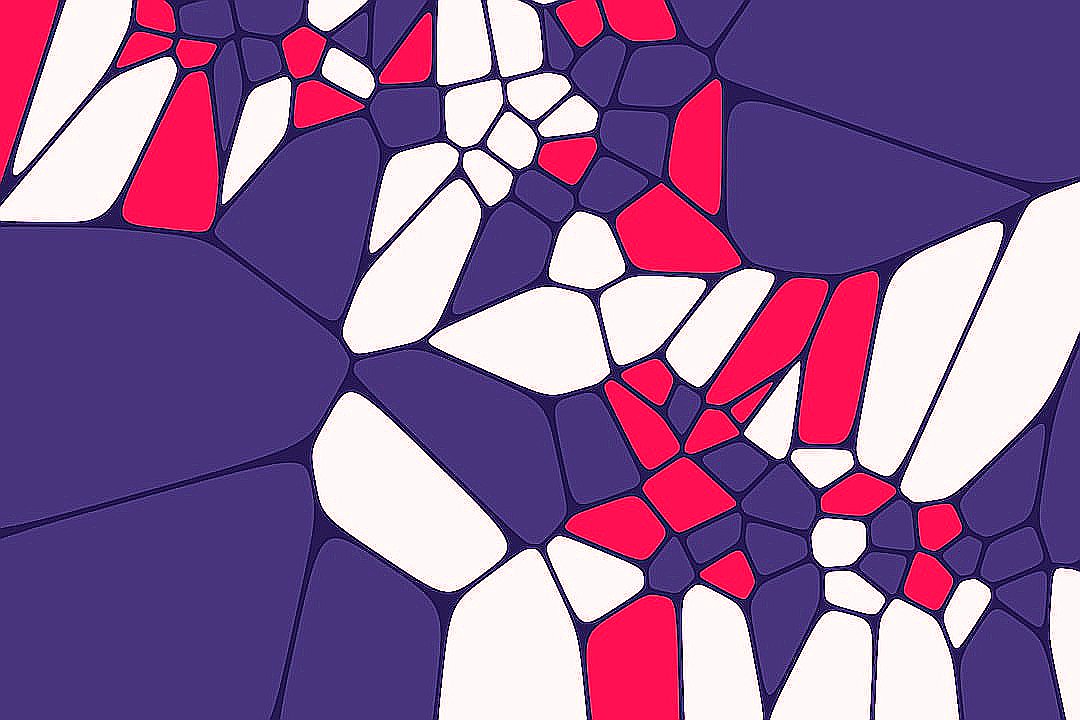
A standard Voronoi diagram divides space based on the distance to specific 'seeds.' If those seeds are in a perfect grid, the result is boring. By 'jittering' those seeds—shifting them slightly at random—we get a more organic, natural look. This is essential for things like realistic rock fracturing or procedural terrain generation where perfect symmetry feels fake.
Adding the Fractal Layer
Now, imagine taking that jittered process and applying it recursively. That is where the 'fractal' element comes in. By layering these partitions at different scales—using parameters like lacunarity and gain—developers can create a 'crackle' effect. This creates a hierarchy of detail: large primary cells that contain smaller, similarly structured sub-cells.
This technique is a goldmine for procedural generation. Instead of a flat texture, you get a complex, multi-scale spatial partition that can simulate everything from cosmic webs to microscopic biological tissues with far less manual effort.
The Future of Spatial AI
As we push toward more immersive AI-driven environments, the ability to partition space organically is crucial. Whether it's for optimizing multi-agent systems or creating hyper-realistic digital twins, fractal jittered partitions offer a bridge between rigid mathematics and the beautiful chaos of nature.
Sources
Media