For years, AI video generation has been about creating stunning, passive loops—visual candy for our screens. But Black Forest Labs just flipped the script. With the launch of FLUX 3, they aren't just generating pixels; they're generating purpose. By bridging the gap between visual imagination and physical execution, the new FLUX-mimic model is turning video data into a blueprint for robotic action.
From Passive Video to Active Control
FLUX 3 isn't just a video generator; it's a unified multimodal architecture handling images, audio, and video. The real breakthrough, however, is the collaboration with Swiss firm Mimic. Together, they've created FLUX-mimic, a "video-action model."
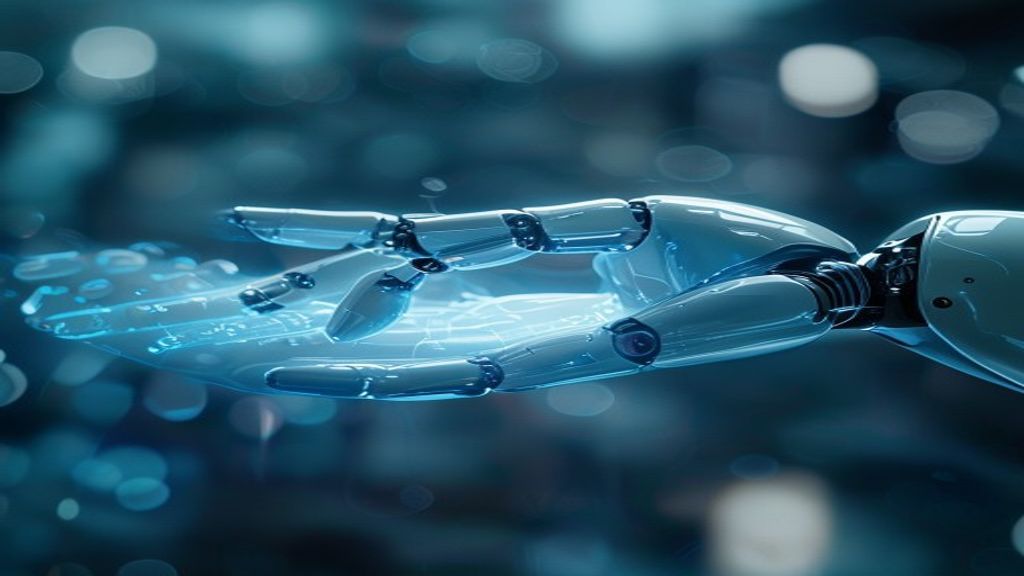
Instead of just predicting the next frame in a movie, FLUX-mimic predicts the consequences of physical actions. By training on robot and wearable data, the model allows machines to understand dexterous manipulation—essentially translating "what should happen next" in a video into "how the robot should move its arm."
Real-World Deployment at Audi
This isn't just a lab experiment. Black Forest Labs has already highlighted deployments tested at Audi, proving that this unified backbone can handle the complexities of a production environment.
What makes this particularly disruptive is the efficiency. Reports suggest FLUX-mimic can be deployed on a single on-prem GPU, removing the need for massive cloud clusters to run real-time robotic intelligence. It's a shift from AI as a creative tool to AI as a physical operator.
The Future of Embodied AI
We are moving toward a world where the same model that creates a 20-second cinematic clip can also guide a robotic hand to assemble a car door. By treating action as just another modality of data, FLUX 3 is paving the way for general-purpose robotics that learn from watching the world, rather than being hard-coded for every single task.
Sources
Media