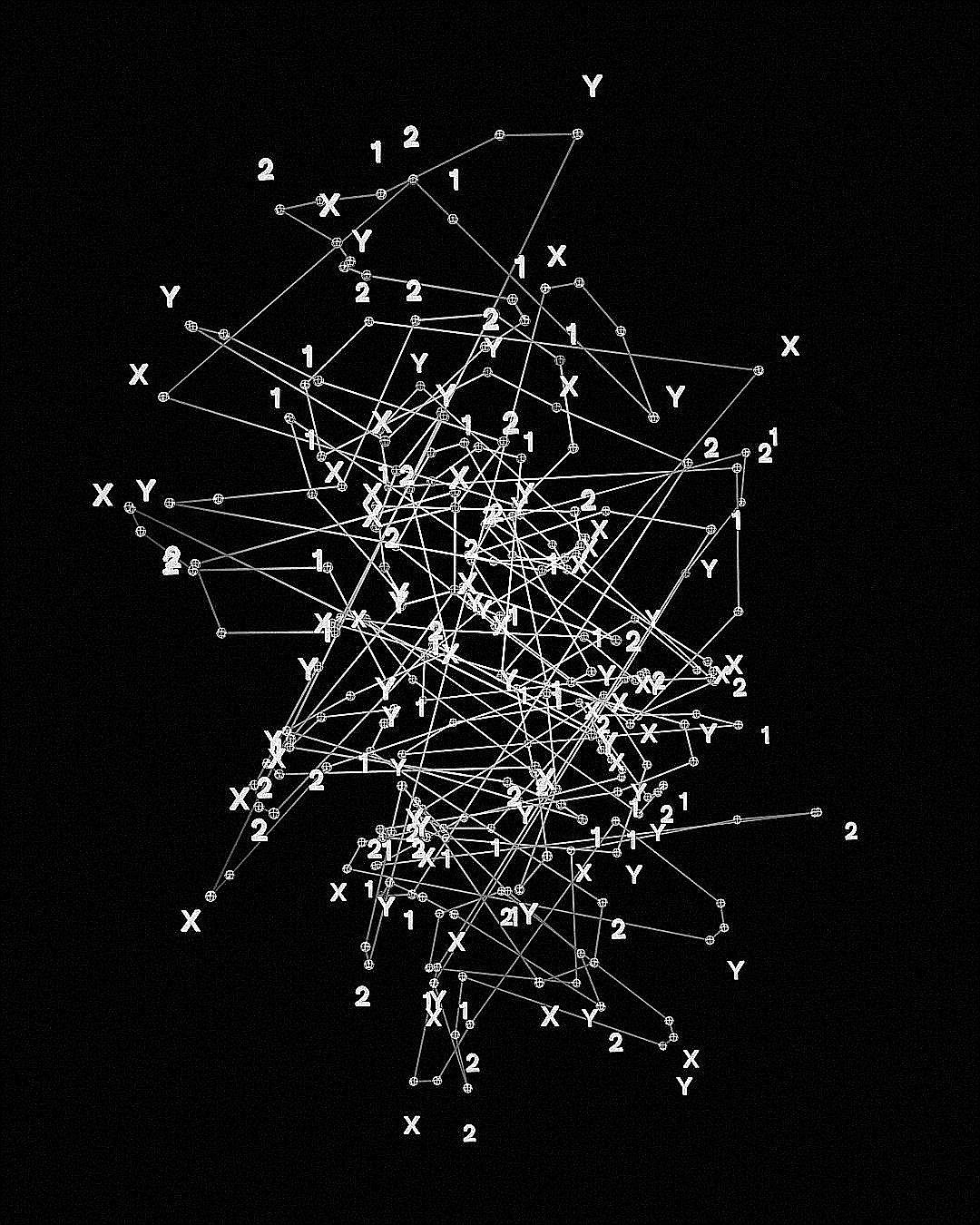
For decades, AI has been split into two warring camps. In one corner, we have the 'symbolists,' who believe intelligence is about manipulating logical rules and symbols. In the other, the 'connectionists,' who build neural networks—massive webs of mathematical weights that learn through patterns. For a long time, it seemed the connectionists won. But a fascinating discovery is emerging: neural networks might actually be building their own symbolic logic under the hood.
The Hidden Logic of Vectors
Neural networks operate using vectors—long strings of numbers that are notoriously difficult for humans to decode. However, recent research suggests that these messy vector representations can actually be replaced by closed-form symbolic equations without changing how the network behaves. From arithmetic and coding to complex language tasks, LLMs aren't just guessing the next word; they are developing an emergent symbolic structure that mimics formal logic.
Bridging the Great Divide
This discovery is a game-changer because it suggests a resolution to the old symbolic-versus-neural debate. We are seeing the rise of hybrid architectures where the raw power of deep learning meets the precision of symbolic reasoning. Whether it is emergent number variables or cellular languages, AI is evolving from a 'black box' of probabilities into a system that can be described through structured, interpretable rules.
As we move toward these hybrid systems, the dream of an AI that is both intuitive and perfectly logical is becoming a reality. We aren't just teaching machines to mimic us—we're watching them reinvent the very foundations of reasoning.
Sources
Media