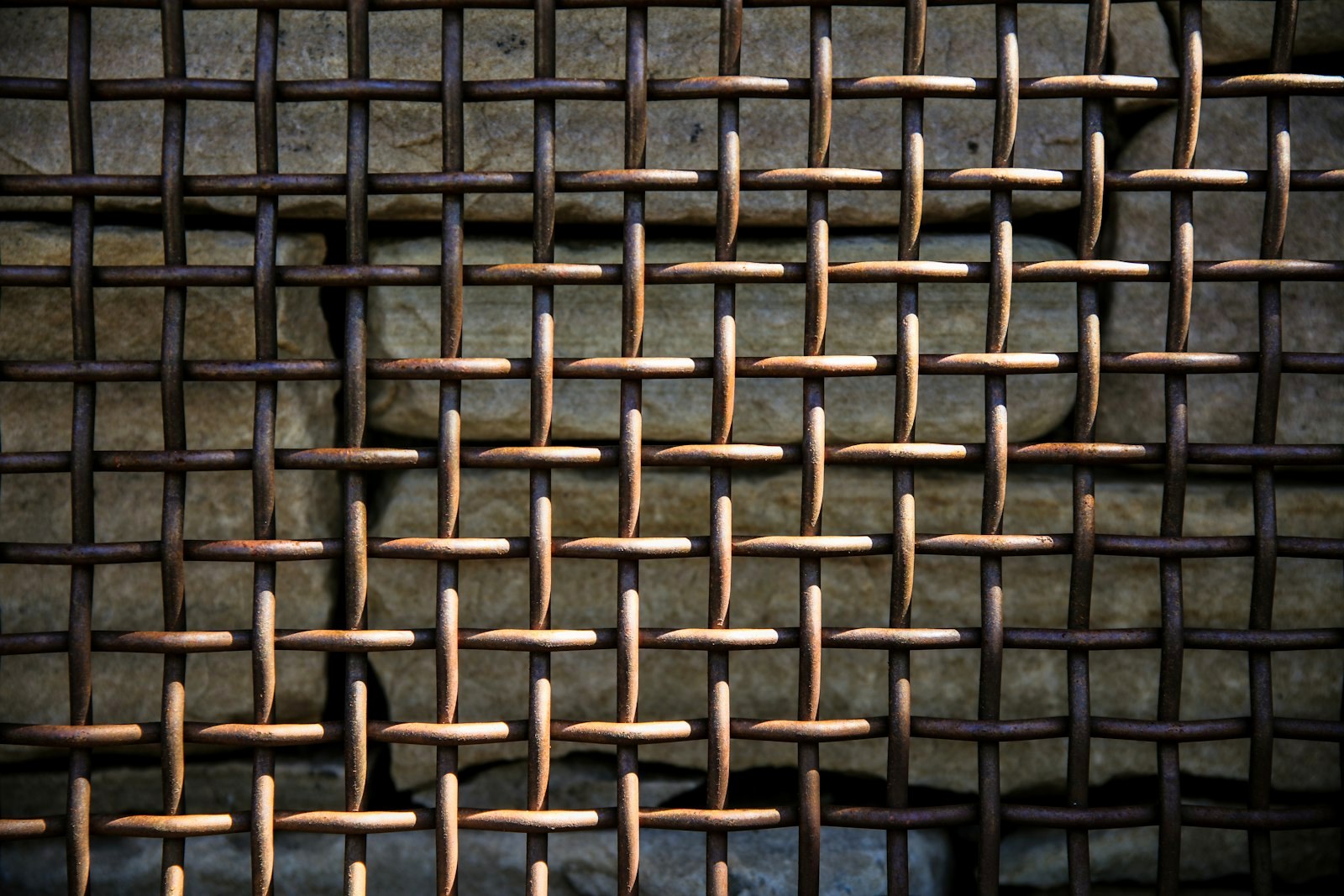
In an era of terabyte SSDs and invisible nanometer transistors, there is something profoundly satisfying about memory you can actually see—and touch. A growing community of hardware archaeologists is reviving magnetic core memory, the hand-woven storage that powered the early days of computing, turning ancient engineering into a modern DIY art form.
The Art of the Weave
Unlike modern RAM that traps electrical charges, core memory uses tiny ferrite rings. By threading wires through these rings, builders can flip the magnetic polarity of the core to store a 1 or a 0. Recently, makers have been pushing this further, with projects featuring 16-bit arrays woven from dead-stock East German ferrite cores onto custom PCBs. It is a meticulous process that blends textile-like precision with electrical engineering.

From Cold War Tech to Interactive Art
This isn't just about nostalgia; it's about interaction. Projects like Core16 and Core64 have evolved the concept into educational kits. By placing the core matrix over RGB LEDs, builders can visualize data shifts in real-time. Some versions even include a magnetic wand, allowing users to manually flip bits and watch the LEDs react, effectively turning a piece of 1950s storage tech into a tactile, glowing interface controlled by a Raspberry Pi Pico.
Whether it's through the "Dr. Cockroach Way" of high-current flipping or streamlined interactive kits, these projects prove that the most primitive tech can still be the most captivating.
Sources
Media