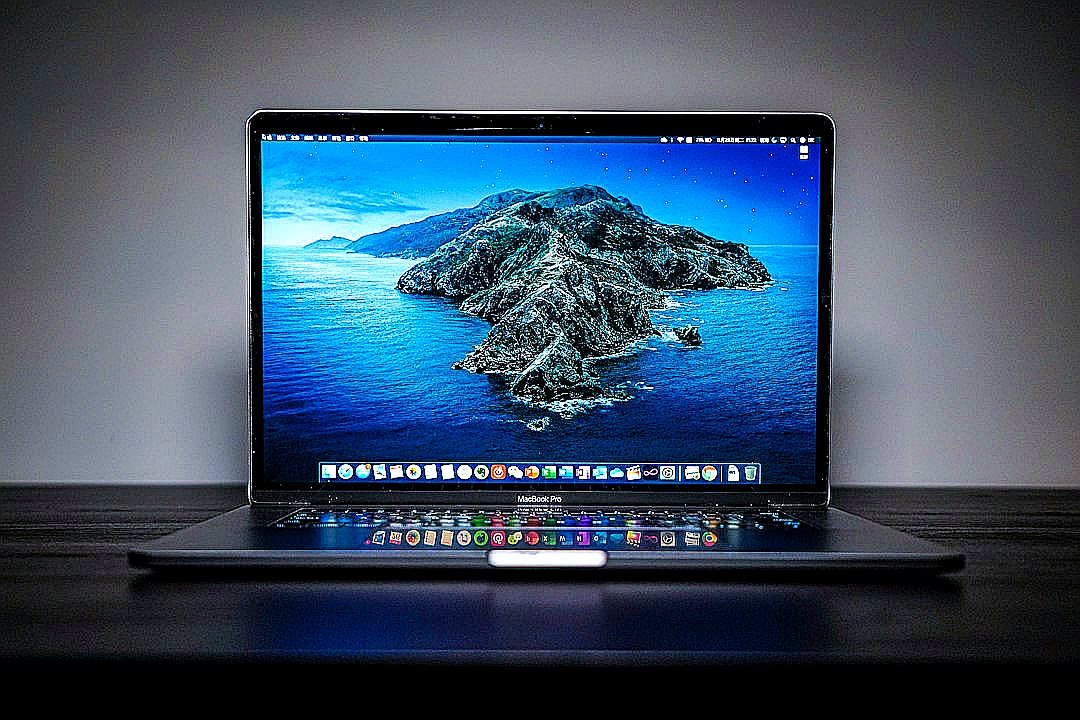
Imagine your MacBook Pro isn't just a laptop, but a tiny piece of a global supercomputer. While the world fights over scarce H100s and expensive cloud contracts, a new movement is emerging: leveraging the idle power of Apple Silicon to build a distributed, virtual GPU cloud.
The Magic of Unified Memory
What makes Apple Silicon a secret weapon for AI? It's all about the Unified Memory Architecture. Unlike traditional PCs where data bounces between the CPU and GPU, Apple's M-series chips allow the GPU and Neural Engine to access the same memory pool. This means a Mac Studio with high RAM can handle massive open-weight models that would typically require enterprise-grade hardware.
From Idle Hardware to Passive Income
We're seeing a shift toward 'decentralized compute.' Projects like Umbra and Darkbloom are pioneering ways to monetize these idle Macs, turning them into inference providers. Instead of letting your Mac Mini gather dust while you're at work, you can host public AI models and earn per token. It's a stark contrast to the centralized giants like Google Cloud, offering a more democratic, peer-to-peer approach to AI infrastructure.
A New Era of Compute
While centralized providers like RunPod and Vast.ai offer raw power and scale, the distributed Apple cloud offers something different: privacy and accessibility. By utilizing verified consumer devices, the industry is proving that the next great AI cluster might not be in a warehouse in Virginia, but scattered across thousands of home offices worldwide.
Sources
Media