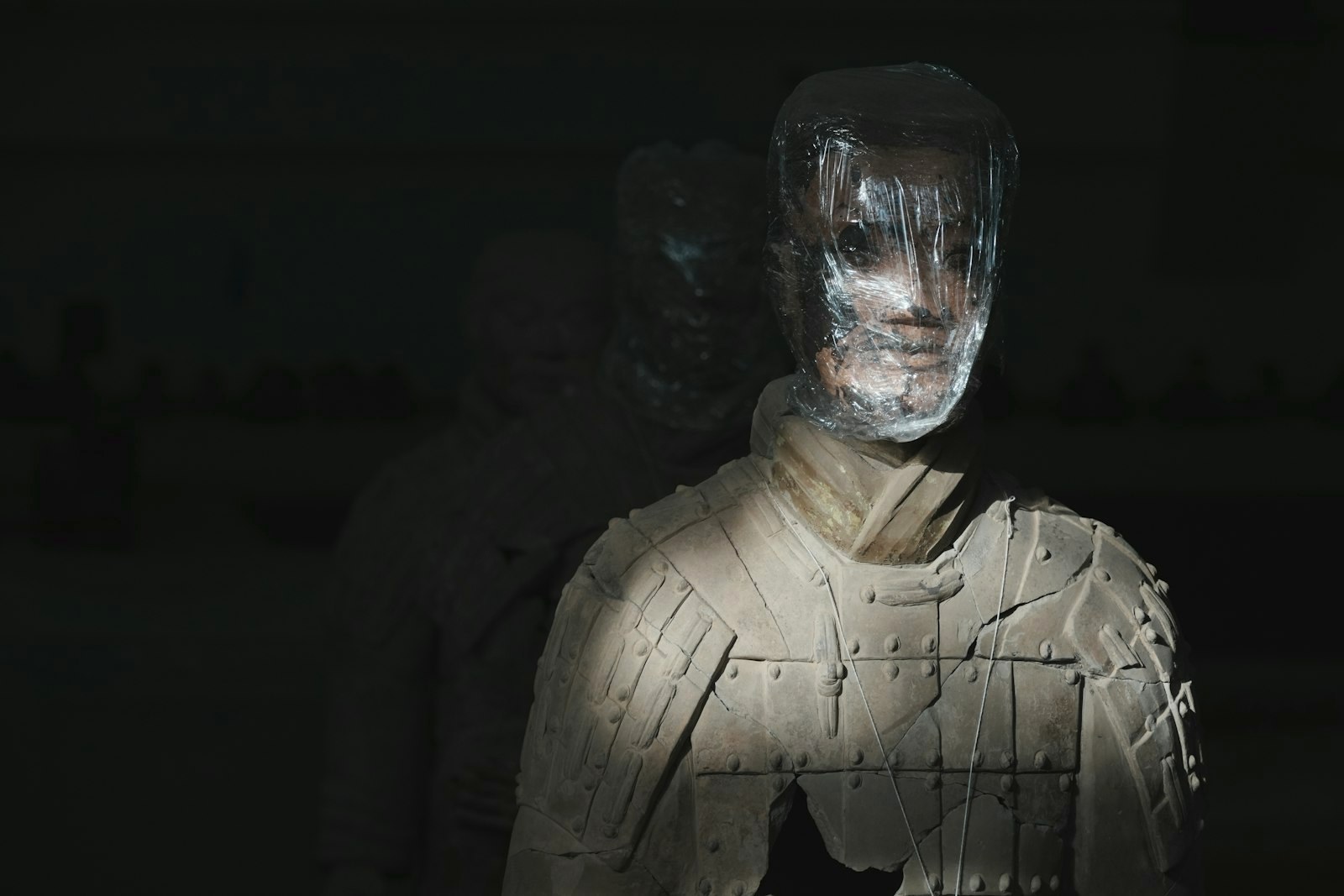
Ever feel like you're playing five different characters in your life? You're a professional with your boss, a chaotic mess with your parents, and a unfiltered version of yourself with your best friends. In the physical world, these versions of you coexist because they occupy different contexts. But online, those walls have crumbled. According to University of Chicago philosopher Agnes Callard, we have entered the era of the "uni-context."
The Death of Contextual Nuance
Callard’s theory suggests that the internet has forced billions of people into a single, global conversation. This is essentially "context collapse" on a planetary scale. When your professional reputation, your family dynamics, and your political opinions all collide in one digital stream, the distinctions that make human interaction nuanced are flattened. We are no longer speaking to a specific person in a specific room; we are broadcasting into a void where everyone is present at once.
Identity vs. Character
One of the most provocative implications of the uni-context is how it changes who we are. Callard argues that this shift has caused "identity" to displace "character." Why? Because character is contextual—it's how you behave in specific situations. Identity, however, is universally legible. It’s a label that can be understood by anyone, anywhere, regardless of the setting. This explains why identity politics have surged; in a uni-context, a legible label is more efficient than a complex, situational character.
The AI Connection
While Callard focuses on the human experience, the uni-context provides a fascinating lens for AI. Large Language Models are, in a sense, the ultimate uni-context machines. They ingest the entirety of the internet's collapsed contexts to predict the next token. If our human experience is becoming a flattened, universal stream, AI is the mirror reflecting that lack of nuance back at us.
Sources
Media